对于21岁的加奈来说,考虑自己的未来一点意思也没有:她不知道自己想要什么样的生活,对任何事都缺乏热情,甚至恋爱也只是为了消磨时间。与她同居的男友本田试图通过负担房租和为她做饭来取悦加奈,但这段恋情还是变得摇摇欲坠——加奈认识了一位名叫林的创作者,随着两人关系的加深,她开始觉得本田是个负担……
陶陶(梁雪芹 饰)是一个喜欢在网络上聊天的女孩,一次,在网友的邀请之下,陶陶决定和网友一起去旅行,哪知道见面的第一晚,网友就灌醉了陶陶,当陶陶再度醒来之时,发现自己身处一农户家中。原来,陶陶的网友的真实身份是一名人贩子,他将陶陶卖到了大山里做山民传宗接代的媳妇。 在被毒打和虐待了半年之后,陶陶终于向命运屈服,她替丈夫阿狗生了一个儿子,取名为冬冬。就在陶陶几乎就放弃了逃跑之时,冬冬坠入井里不幸身亡,令陶陶悲痛不已。而当陶陶决定再生一个孩子时,她发现自己已经丧失了生育的能力。
讲述了银盛集团为推广集团度假村,准备在度假村的客栈举办为期二十天的“轮值店长”活动,集团从众多报名者中抽取了四人,活动的最终获胜者将获得银盛集团给与的巨额奖励。被抽取到的四人怀着不同的动机,表面上维持着友好共处,背地里却互相利用,勾心斗角。
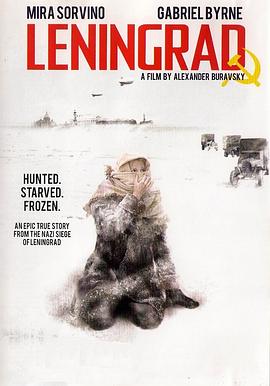
1941年第二次世界大战肆虐时期,德国纳粹入侵苏联。在经历长达4个月的攻坚战无果后,希特勒决定用饥饿和围困的方式夺取列宁格勒。纳粹围城三年,尸横遍野的列宁格勒成为一座死亡之城。 英国女记者凯特·戴维斯(米拉·索维诺 Mira Sorvino 饰)在前线采访时,与她的爱人美国记者菲利普·帕克(加布里埃尔·伯恩 Gabriel Byrne 饰)失散,被困列宁格勒。孤立无援的凯特幸得列宁格勒义勇军女警妮娜(欧嘉·苏图洛娃 Olga Sutulova 饰)的帮助与庇护。两人坚守在冰天雪地的战火之中,与饱受饥饿折磨的苏联军民一起,为生存而战。
李芸和曹阳青梅竹马,却因偶儿听到一句话李芸对曹阳产生了误会,两人渐渐疏远。事业有成的李芸因故与新男友分手而想起了曹阳,两人感情日益加深,正当曹阳准备向李芸求婚时,却因车祸而离开了人世。李芸在收音机中听到了曹阳为自己点播的歌,才真正明白了曹阳对自己的心意。
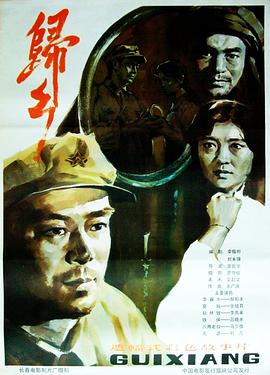
革命胜利后,红军战士李春牛回到阔别多年的家乡铁牛镇。他思念着家乡,更盼望和妻子夏姑相见。但他万万没有想到,夏姑已经和一一个被村里人称为“来历不明”的铁保结婚了。到码头迎接春牛的正是夏姑与铁保的10岁女儿细妹。其实,细妹是被村干部派来接秋林的。秋林是和存牛一起参军的战友,已到了县城,即将归来。春牛被细妹领到已经失明的秋林嫂家,从秋林嫂口中,春牛得知自己妻子已另嫁他人,而痛苦万分。夏姑躲着不见春牛,春牛的养娘元婆和父亲八两老叔因对此事也不明底细。经过一番痛苦的思想斗争,春牛决定离开铁牛镇。在村边码头上,元婆和八两叔追上春牛,春牛得知秋林刚在县里的剿匪战斗中牺牲,而乡亲们正盼望亲人归来,决定留下来和乡亲们一起搞春耕救灾。等待丈夫归来的秋林嫂,虽然双目失明,心中却亮着一盏灯,十多年来,她一心为前方、为乡亲们奔波操劳。乡亲们不忍告诉她秋林牺牲的消息,公公八两叔也一直隐瞒着实情。春牛又受八两叔的委托,按月代替秋林给嫂子写信。但秋林嫂还是知道了秋林牺牲的消息,她头晕倒在地上。后来,秋林嫂问0强地振作起来,她告诉春牛,夏姑和铁保是在敌人的威逼下为了互相掩护认做假夫妻的阶级兄妹。铁保为了掩护夏姑,被敌人割下了一只耳朵。在白色恐怖下,他们不敢说出实情。后来是听说春牛牺牲了,才真正结为夫妻的。解放后,他们的女儿细妹已经大了,他们怕此事传出去对孩子不好,始终把苦衷埋在心底。乡政府动员铁保回老家,铁保把政府发给他的生活补助费偷偷留给r夏姑和细妹,含泪走出了家门。铁保被夏姑和细妹追回家中,春牛赶来,夏姑和铁保请求春牛原谅。春牛含泪把珍藏在身边的与夏姑定情的信物——玉镯交给铁保,祝他们永生幸福。
热爱街舞的男孩小叮当在爸妈生了二胎妹妹后,便感觉自己不再受宠,与爸妈产生了一系列误会。为了博得父母的关注以及坚持自己的街舞梦想,小叮当联合自己的几个小伙伴策划了一系列绑架自己、出走等荒唐的恶作剧,但也因此陷入了真正的危机。
1979年,陷入越战和冷战的美国,没有在科技大发展时代得到重生,反而滑向了信心危机的困局,“美国精神”发生了动摇。赫伯·布鲁克斯(库尔特·拉塞尔 Kurt Russell 饰)是带领明尼苏达大学冰球队夺得三连冠的功勋教练,在冬季奥运开赛的半年前,赫伯受命组建并训练新一届美国冰球队。当时苏联冰球队在国际上占据绝对统治地位,六十年代以来连续夺得奥运金牌。在赫伯组队伊始,他就把苏联作为最终对手看待。赫伯从各大学召来优秀冰球选手组成了一支26人的初选队,在严酷的训练中,这些非职业队员们形成了一个真正有战斗力的团体。奥运揭幕前三天,美苏两国冰球队进行了一场热身性质的比赛,美国队虽然落败,但赫伯和他的队员们都清楚,真正的较量在奥运会上…… 本片根据1980年盐湖城冬奥会上的真实故事改编。
Mili Naudiyal(Janhvi Kapoor 饰)是一名来自台拉登的 24 岁护理专业毕业生,她希望移居加拿大以获得更好的前景,直到她陷入困境。她被锁在一家快餐店的步入式冷冻室里,必须不惜一切代价才能在这个不寻常的死亡陷阱中幸存下来
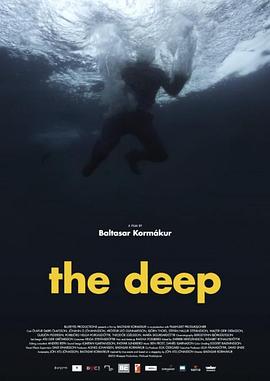
Based on an astonishing true incident that took place on the frigid seas off Iceland in 1984, The Deep fashions a modern-day everyman myth about the sole survivor of a shipwreck, whose superhuman will to survive made him both an inexplicable scientific phenomenon and a genuine national hero.
警方发现了一具女尸,而且被肢解。陈Sir怀疑是谋杀,于是安排手下阿雄协助调查,在警方开始调查的同时,凶手再次作案......
改编自加拿大作家露西·莫德·蒙哥马利(Lucy Maud Montgomery)的同名长篇小说。2016年新拍版电视电影。住在爱德华王子岛艾凡里镇上的一对单亲兄妹马修·卡斯伯特和玛莉拉·卡斯伯特,原本打算领养一个男孩来帮忙农务,但领养中心却误送了一个女孩给他们,这个名叫安妮·雪莉的红发少女孤儿,满怀丰富的想像力并且能言善道,所有的自然景物在她的想象中,都变得能说话,有灵魂。原本发现弄错人的玛莉拉打算将安妮送回去,但马修却把安妮留了下来。