33
10.0

香蕉天堂

导演:
王童
主演:
钮承泽,张世,方龙,文英,李欣,丁也恬,陈启俊,胡翔评,高鸣,李昆,尚智
别名:
未知
10.0
33人评分
国语
语言
1989-12-01
上映时间
未知
片长
简介:

  在国共内战尾声的1949年,憨厚的门栓(钮承泽 饰)前去投靠在担任伙房兵的同乡李得胜(张世 饰),李让门栓顶替了战死士兵左富贵的身份加入军队,也帮自己弄了个柳金元的名字。两人懵懵懂懂的随军撤到听闻盛产香蕉的台湾,成了军队文宣队队员,不料却因为冒用的名字而被怀疑是间谍。李得胜先遭逮捕,门栓害怕受牵连逃走,途中遇到月香(曾庆瑜 饰)母子。月香的丈夫李麒麟病重身亡,为了照顾她们母子,门栓顶替了她丈夫,用死者辅仁大学英文系的毕业证书找到工作。教育程度不高的门闩冒充英文高材生弄得是险象环生,还被艺工队的同袍认出,只得靠改名后转调单位的老大哥李德胜介绍,暂时在一户蕉农家觅得落脚处。但得胜因刑求之故精神状况时好时坏,某日发狂惊动部队,连带导致门闩的逃兵身份曝光,九死一生。后来门闩用李麒麟的身份考上公职,生活才趋稳定,与月香共同生活照料孩子与发疯的得胜,吃苦耐劳无怨无尤。四十年过去,台湾允许人民到大陆探亲。月香的儿子到山东找到祖父,并将祖父接到香港,他在港打长途电话,要父母到香港与祖父一叙家常。门栓惊慌,怕四十年的秘密被识破,急忙要月香回忆与公公在一起的往事。谁知月香也是冒牌货。原来,她是在纷乱中被辅仁大学英文系的学生救出来的,这个学生的妻子刚去世,留下个婴儿,他本人又抱病在身,月香便和他同行,以作照顾。学生死后,把毕业证书留给了月香 。门栓与月香抱在一起哭诉自己不幸的遭遇,但还是强忍着内心的悲痛,硬著头皮去与“父子”相见。分隔四十年的“父子”开始对话,电话两头虽为陌路人,但却有着共通的离散辛酸;门栓听到李父说到母亲过世的消息,已分不清谈的是谁的父母,泣不成声……


详情页文字广告
猜你喜欢
换一换
杨乃武与小白菜
99
6.0
HD国语
杨乃武与小白菜
6.0
更新时间:04月30日
主演:魏喜奎,顾荣甫,李宝岩,佟大方,王凤朝,尹福来,马尔路,联幼如,文培华,王淑琴,史尚直,黄坚,彭子实,赵俊良,郭小霞,冯宇康
简介:

  根据王峰原著改编。
  清代同治末年,朝廷腐败,官场更加黑暗。“杨乃武与小白菜”的“奇案”就发生在这时的浙江省余杭县。余杭县知县刘锡彤之子刘子和看中豆腐房葛小杜之妻毕秀姑。她容貌甚美,绰号“小白菜”。刘子和贪恋姿色,暗用迷药玷污了葛毕氏,毒死她丈夫葛小杜。案发后,刘锡彤为开脱儿子罪责而陷害新科举人杨乃武。皆因杨乃武曾与葛毕氏相识有情,并给葛小杜治病,刘锡彤便买通师爷钱如命,用“移花接木”之计,嫁祸于杨。懦弱无知的葛毕氏被百般威逼欺哄,诬杨乃武为奸夫,杨乃武“被屈打成招”定为“谋夫夺妇”之罪。余杭县生员不服,上诉至杭州府,但因知府宝贤与刘锡彤是儿女亲家。徇情得贿,仍酷刑枉断,杨乃武遂冤沉海底。众生员仗义扶危,再至浙江巡抚杨昌溶府衙鸣冤。葛毕氏痛悔自己放真凶,污良善,企图翻供。怎奈三大宪俱已受贿,官官相护,贪赃枉法,葛毕氏翻案不成反受酷刑旷世奇冤活路断,铁案铸成何能翻?杨乃武胞姐杨淑英曾在刑部尚书夏同善府中做过绣娘。为弟伸冤,千里跨涉赴京求援。时正值清室东宫与西宫互争权势,西太后之心腹醇亲王欲乘机除去东宫之亲信杨昌漕,因而接受杨淑英状纸,将全案人犯与原审官员提京勘审。但由于刘锡彤再逼葛毕氏,致使刑部大堂未能审出真相。于是夏同善设“密室相会”之计,使葛毕氏与杨乃武倾吐实情,招出真凶。杨乃武三载冤狱才获昭雪。

2562
1962
杨乃武与小白菜
主演:魏喜奎,顾荣甫,李宝岩,佟大方,王凤朝,尹福来,马尔路,联幼如,文培华,王淑琴,史尚直,黄坚,彭子实,赵俊良,郭小霞,冯宇康
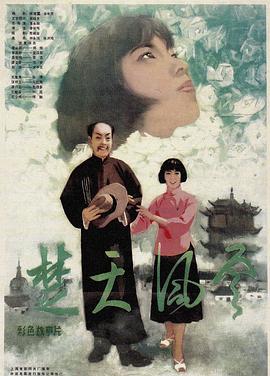
楚天风云
944
2.0
HD国语
楚天风云
2.0
更新时间:04月30日
主演:郑榕,冯奇,夏汉碧,龚雪,谢舞元,孙渝烽,富恒智,柳杰,胡大刚,张元,李农,茂路,张雁,马红鹰,赵恒多,叶高,何麟,严家祥,张妙珍,徐才根,王绍光,于明德
简介:

  1927年初,在欢庆北伐胜利的喜庆日子里,董必武来到汉口,寄居在好友——法院院长唐云阶家中。面对蒋介石的反共方针,董必武邀请进步人士商讨反击日益嚣张的农村反动势力的对策,共同拟定了“惩治土豪劣绅暂行条例”,并组织征粮队下乡,由黄安七紫乡农协主席郑虎担任队长。唐云阶的女儿楚梅和她的中学同学们也都参加了征粮队。没过几天,郑虎突遭逮捕,报纸指控他杀人放火烧粮,并声称“幕后有人”,矛头直指董必武。汪精卫与唐云阶的亲家、国民党湖北省党部常委孔继石狼狈为奸,胁迫唐云阶出任“郑虎一案”的审判长。为了营救郑虎,冯正浩大律师受共产党委派决定出庭为郑虎辩护。某日,已晋升为汪精卫侍卫队长的孔少戎邀未婚妻楚梅出游,以虚情假意骗得楚梅的信任。楚梅竟将她目睹孔少戎的祖父孔龟年放火烧粮仓,并杀死老更夫而嫁祸于郑虎的真情和盘托出。次日,冯大律师死于侍卫队的汽车轮下,血的事实和董必武的开导教育了楚梅。“四一二”后,蒋介石亲自指使孔继石拿郑虎开刀。孔继石领命后加紧活动,收买检察官,让儿子孔少戎诱使楚梅离开,命特务盯住董必武,然后逼唐云阶提前开庭,企图在被告无律师和证人的情况下,判处郑虎死刑。经过一番复杂的斗争,董必武带着楚梅突然出现在法庭上,他们有力的辩护和作证,终使冤案真相大白。郑虎获救了,孔龟年却罪责难逃。气急败坏的孔继石连忙授意儿子暗杀董必武。当孔少戎将罪恶的子弹射向董必武时,楚梅用自己年轻的身体护卫了敬爱的董伯伯。迎着楚天风云,董必武告别老友,投入了“宁汉合流”后的武装斗争。

1212
1981
楚天风云
主演:郑榕,冯奇,夏汉碧,龚雪,谢舞元,孙渝烽,富恒智,柳杰,胡大刚,张元,李农,茂路,张雁,马红鹰,赵恒多,叶高,何麟,严家祥,张妙珍,徐才根,王绍光,于明德
飞车女童党
155
7.0
DVD国粤
飞车女童党
7.0
更新时间:04月30日
主演:叶先儿,徐芝艳,陈文辉,罗敏庄,梁十一,张惠莹,叶瑞云,邓丽文,李诗琪,张洪英,白月娇,郭依娜,郭依媚,钟继昌,林超荣,文隽,曾庆燊
简介:    香港的公主道,向来被视作非法赛车的赛道,当中产生了许多传奇的故事,其中一个就是赛无不胜的独行电单车手EAGLE ,没有人知道他那股视死如归的勇气从何而来.红魔女是仰慕EAGLE的其中一人,她成长于徙置区.结党立派,俨然一群女童党的大家姐,平时在一卡拉OK夜总会返茶舞,晚上,最喜欢驾着自己的电单车在夜静的公路上兜风.一次偶然背景不同,但却成为了交心的知己. JOANNE有个风流成性的父亲和长年患病的母亲,一次在坟场扫墓时巧遇EAGLE,二人十分投缘,却因此惹来红魔女的误会.公主道又有赛事, EAGLE轻易取胜,并对JOANNE显现亲密,红魔女醋意更大,二女友情决裂.红魔女的弟弟急症入院,必须一笔庞大手术费,结果,一直暗恋她的梁十一自动请缨,要挑战EAGLE赢取奖金.终于公主道上又再出现一场飞车生死赛, JOANNE在赛前恳求EAGLE让赛,然而, EAGLE会否真的轻懈战意败给红魔女和梁十一呢?
  导演,陈荣照,缪健德.
  编剧,文隽,阮世生;监制,文隽,黄志雄;制片,蔡忠健;出品人,李国兴;执行制片,罗敏庄;策划,刘国伟;统筹,周其良;摄影,陈凯恩,郭健泉;助理摄影,朱威廉;剪接,邹伟伦;音乐,黄志雄;灯光,朱伟强;剧务,黎炳辉;现场录音,余启明;化妆,陈玉仪;道具,许振华;事务,麦永民;飞车指导,香港黑;视讯效果, MBS,力信影音制作;监督,黄志雄;国语对白,蔡济生.
2058
1993
飞车女童党
主演:叶先儿,徐芝艳,陈文辉,罗敏庄,梁十一,张惠莹,叶瑞云,邓丽文,李诗琪,张洪英,白月娇,郭依娜,郭依媚,钟继昌,林超荣,文隽,曾庆燊
欧洲的某个地方
380
8.0
HD中字
欧洲的某个地方
8.0
更新时间:04月30日
主演:Artúr Somlay,Miklós Gábor,Zsuzsa Bánki
简介:

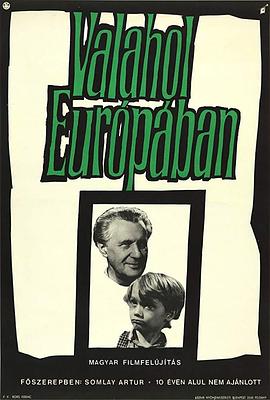
  Somewhere in the remote region, the war ends. In the midst of ruined cities and houses in the streets, in rural hamlets, everywhere where people still live, are children who have lost their homes and parents. Abandoned, hungry, and in rags, defenseless and humiliated, they wander through the world. Hunger drives them. Little streams of orphans merge into a river which rushes forward and submerges everything in its path. The children do not know any feeling; they know only the world of their enemies. They fight, steal, struggle for a mouthful of food, and violence is merely a means to get it. A gang led by Cahoun finds a refuge in an abandoned castle and encounters an old composer who has voluntarily retired into solitude from a world of hatred, treason, and crime. How can they find a common ground, how can they become mutual friends? The castle becomes their hiding place but possibly it will also be their first home which they may organize and must defend. But even for this, the price will be very high.
  To this simple story, the journalist, writer, poet, scriptwriter, movie director, and film theoretician Béla Balázs applied many years of experience. He and the director Géza Radványi created a work which opened a new postwar chapter in Hungarian film. Surprisingly, this film has not lost any of its impact over the years, especially on a profound philosophical level. That is to say, it is not merely a movie about war; it is not important in what location and in what period of time it takes place. It is a story outside of time about the joyless fate of children who pay dearly for the cruel war games of adults.
  At the time it was premiered, the movie was enthusiastically received by the critics. The main roles were taken by streetwise boys of a children's group who created their roles improvisationally in close contact with a few professional actors, and in the children's acting their own fresh experience of war's turmoil appears to be reflected. At the same time, their performance fits admirably into the mosaic of a very complex movie language. Balázs's influence revealed itself, above all, in the introductory sequences: an air raid on an amusement park, seen in a montage of dramatic situations evoking the last spasms of war, where, undoubtedly, we discern the influence of classical Soviet cinematography. Shooting, the boy's escape, the locomotive's wheels, the shadows of soldiers with submachine guns, the sound of a whistle—the images are linked together in abrupt sequences in which varying shots and expressive sharp sounds are emphasized. A perfectly planned screenplay avoided all elements of sentimentality, time-worn stereotypes of wronged children, romanticism and cheap simplification. The authors succeeded in bridging the perilous dramatic abyss of the metamorphosis of a children's community. Their telling of the story (the scene of pillaging, the assault on the castle, etc) independently introduced some neorealist elements which, at that time, were being propagated in Italy by De Sica, Rossellini, and other film artists. The rebukes of contemporary critics, who called attention to "formalism for its own sake" have been forgotten. The masterly art of cameraman Barnabás Hegyi gives vitality to the poetic images. His angle shots of the children, his composition of scenes in the castle interior, are a living document of the times, and underline the atmosphere and the characters of the protagonists. The success of the picture was also enhanced by the musical art of composer Dénes Buday who, in tense situations, inserted the theme of the Marseilaise into the movie's structure, as a motive of community unification, as an expression of friendship and the possibility of understanding.
  Valahol Europaban is the first significant postwar Hungarian film. It originated in a relaxed atmosphere, replete with joy and euphoria, and it includes these elements in order to demonstrate the strength of humanism, tolerance, and friendship. It represents a general condemnation of war anywhere in the world, in any form.

488
1948
欧洲的某个地方
主演:Artúr Somlay,Miklós Gábor,Zsuzsa Bánki
首页
电影
连续剧
综艺
动漫
资讯