提前的葬礼
筛选页广告
6.0|04月30日|片长106分钟|HD中字|共1集
简介:
由于他们的父亲处于昏迷状态,护士Seon-young敦促她的兄弟Il-hoe举办一场假葬礼,因为他负担不起儿子的学费,有可能看到他错过大学。他们伪造死亡证明并欺骗医院,但随着压力的增加,他们的计划开始以意想不到的方式瓦解。
猜你喜欢
换一换
飞车女童党
155
7.0
DVD国粤
飞车女童党
7.0
更新时间:04月30日
主演:叶先儿,徐芝艳,陈文辉,罗敏庄,梁十一,张惠莹,叶瑞云,邓丽文,李诗琪,张洪英,白月娇,郭依娜,郭依媚,钟继昌,林超荣,文隽,曾庆燊
简介:    香港的公主道,向来被视作非法赛车的赛道,当中产生了许多传奇的故事,其中一个就是赛无不胜的独行电单车手EAGLE ,没有人知道他那股视死如归的勇气从何而来.红魔女是仰慕EAGLE的其中一人,她成长于徙置区.结党立派,俨然一群女童党的大家姐,平时在一卡拉OK夜总会返茶舞,晚上,最喜欢驾着自己的电单车在夜静的公路上兜风.一次偶然背景不同,但却成为了交心的知己. JOANNE有个风流成性的父亲和长年患病的母亲,一次在坟场扫墓时巧遇EAGLE,二人十分投缘,却因此惹来红魔女的误会.公主道又有赛事, EAGLE轻易取胜,并对JOANNE显现亲密,红魔女醋意更大,二女友情决裂.红魔女的弟弟急症入院,必须一笔庞大手术费,结果,一直暗恋她的梁十一自动请缨,要挑战EAGLE赢取奖金.终于公主道上又再出现一场飞车生死赛, JOANNE在赛前恳求EAGLE让赛,然而, EAGLE会否真的轻懈战意败给红魔女和梁十一呢?
  导演,陈荣照,缪健德.
  编剧,文隽,阮世生;监制,文隽,黄志雄;制片,蔡忠健;出品人,李国兴;执行制片,罗敏庄;策划,刘国伟;统筹,周其良;摄影,陈凯恩,郭健泉;助理摄影,朱威廉;剪接,邹伟伦;音乐,黄志雄;灯光,朱伟强;剧务,黎炳辉;现场录音,余启明;化妆,陈玉仪;道具,许振华;事务,麦永民;飞车指导,香港黑;视讯效果, MBS,力信影音制作;监督,黄志雄;国语对白,蔡济生.

2058
1993
飞车女童党
主演:叶先儿,徐芝艳,陈文辉,罗敏庄,梁十一,张惠莹,叶瑞云,邓丽文,李诗琪,张洪英,白月娇,郭依娜,郭依媚,钟继昌,林超荣,文隽,曾庆燊
玄奘袈裟
939
4.0
HD国语
玄奘袈裟
4.0
更新时间:04月30日
主演:宋韬,佴文
简介:

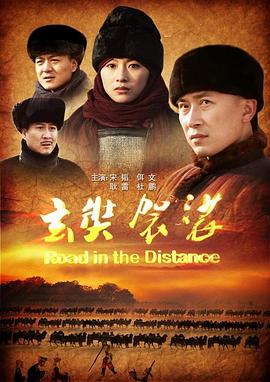
  电影《玄奘袈裟》讲的是辛亥革命前夕,唐代高僧玄奘法师遗留下来的宝物“百金云水摩衲袈裟”在莫高窟献身。顿时各方势力云集敦煌,各自怀揣着不同的目的来寻找宝物袈裟。学部尚书荣庆力荐翰林院侍读学士姚坤,奉旨前往敦煌寻找玄奘袈裟,以期借助宝物的法力来挽救风雨飘摇的清王朝。姚坤与其表弟,古董商人夏子丰,二人伪装成商人前往大漠。 姚、夏二人行至 “四海客栈”,结识老板娘玉娘,并偶遇甘肃总兵之子关雁飞、关雁若兄妹二人。关氏兄妹也是为了寻找袈裟而来。哥哥关燕飞暗地中受袁世凯胁迫为了保护全家,免受袁世凯的迫害,暗中协助袁世凯派来的统领苍狼抢夺玄奘袈裟,用以卖给洋人换取军火,而单纯莽撞的关雁若以为寻找袈裟是为了朝廷,为了护宝心切,害怕袈裟落到商人手里会遭遇不测,便一心想抢在姚夏二人之前找到袈裟,便处处与二人作对。而寻找袈裟的线索环环相扣,晦涩难懂,各人绞尽脑汁都找不到途径。最终,博学多识的姚坤首先找到了线索的头绪。关雁飞将计就计,干脆利用姚坤 ,跟在他的后面来逐步的靠近宝物袈裟。关雁若在与姚坤的对峙中,逐渐被姚坤正直和善良所打动并产生了好感。并在寻找袈裟的过程中发现,自己家人正在受到袁世凯的特使——苍狼的控制。寻找袈裟也是受袁世凯指使,并非出于保护国宝。 众人距离袈裟越来越近,苍狼逼迫关雁飞不择手段尽快拿到袈裟,关燕飞为获得最后的线索,将姚、夏二人关进地牢。严刑拷打,夏子丰为了救表哥姚坤,将袈裟埋藏地告诉了关燕飞,于是,苍狼带着关燕飞和手下直奔宝钵沟,在此时关雁若用计将姚坤、夏子丰二人救出,三人在逃跑过程中,被看守的清兵发现,正在危急时刻又得到玉娘的协助。打败了清兵救走了他们,原来玉娘是一直活动在敦煌附近的一支民间护宝组织,在得知姚坤是奉旨保护袈裟的,便早已派人暗中观察,最终,在护宝人的帮助下姚坤等人抢先一步拿到袈裟,但被苍狼和关雁飞带来的士兵包围。正在走投无路之际,又是玉娘和她的手下们赶到。原来,玉娘和夏子丰两人都是民间护宝人,为了保护国宝潜伏到大漠里来。 正邪两方爆发了混战。关燕飞试图保护妹妹和苍狼发生争执,关雁若在混战中被苍狼打伤,关雁飞为救妹妹也死在苍狼刀下。最终,姚坤斩掉了苍狼,结束了这场混战。 姚坤拿着宝物袈裟回到京城,回想寻宝过程中的所见所闻,他深刻地感受到清政府已经不能拯救国家。而他为之努力的大清帝国在一片萧条中结束了长达268年的统治……
  任何所谓“神力”都不能抵挡历史之滚滚潮流。

3516
2012
玄奘袈裟
主演:宋韬,佴文
欧洲的某个地方
380
8.0
HD中字
欧洲的某个地方
8.0
更新时间:04月30日
主演:Artúr Somlay,Miklós Gábor,Zsuzsa Bánki
简介:

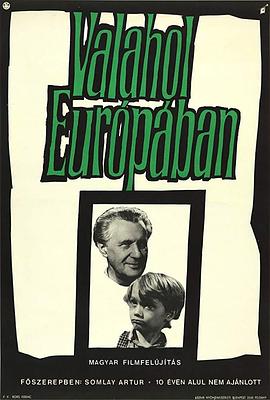
  Somewhere in the remote region, the war ends. In the midst of ruined cities and houses in the streets, in rural hamlets, everywhere where people still live, are children who have lost their homes and parents. Abandoned, hungry, and in rags, defenseless and humiliated, they wander through the world. Hunger drives them. Little streams of orphans merge into a river which rushes forward and submerges everything in its path. The children do not know any feeling; they know only the world of their enemies. They fight, steal, struggle for a mouthful of food, and violence is merely a means to get it. A gang led by Cahoun finds a refuge in an abandoned castle and encounters an old composer who has voluntarily retired into solitude from a world of hatred, treason, and crime. How can they find a common ground, how can they become mutual friends? The castle becomes their hiding place but possibly it will also be their first home which they may organize and must defend. But even for this, the price will be very high.
  To this simple story, the journalist, writer, poet, scriptwriter, movie director, and film theoretician Béla Balázs applied many years of experience. He and the director Géza Radványi created a work which opened a new postwar chapter in Hungarian film. Surprisingly, this film has not lost any of its impact over the years, especially on a profound philosophical level. That is to say, it is not merely a movie about war; it is not important in what location and in what period of time it takes place. It is a story outside of time about the joyless fate of children who pay dearly for the cruel war games of adults.
  At the time it was premiered, the movie was enthusiastically received by the critics. The main roles were taken by streetwise boys of a children's group who created their roles improvisationally in close contact with a few professional actors, and in the children's acting their own fresh experience of war's turmoil appears to be reflected. At the same time, their performance fits admirably into the mosaic of a very complex movie language. Balázs's influence revealed itself, above all, in the introductory sequences: an air raid on an amusement park, seen in a montage of dramatic situations evoking the last spasms of war, where, undoubtedly, we discern the influence of classical Soviet cinematography. Shooting, the boy's escape, the locomotive's wheels, the shadows of soldiers with submachine guns, the sound of a whistle—the images are linked together in abrupt sequences in which varying shots and expressive sharp sounds are emphasized. A perfectly planned screenplay avoided all elements of sentimentality, time-worn stereotypes of wronged children, romanticism and cheap simplification. The authors succeeded in bridging the perilous dramatic abyss of the metamorphosis of a children's community. Their telling of the story (the scene of pillaging, the assault on the castle, etc) independently introduced some neorealist elements which, at that time, were being propagated in Italy by De Sica, Rossellini, and other film artists. The rebukes of contemporary critics, who called attention to "formalism for its own sake" have been forgotten. The masterly art of cameraman Barnabás Hegyi gives vitality to the poetic images. His angle shots of the children, his composition of scenes in the castle interior, are a living document of the times, and underline the atmosphere and the characters of the protagonists. The success of the picture was also enhanced by the musical art of composer Dénes Buday who, in tense situations, inserted the theme of the Marseilaise into the movie's structure, as a motive of community unification, as an expression of friendship and the possibility of understanding.
  Valahol Europaban is the first significant postwar Hungarian film. It originated in a relaxed atmosphere, replete with joy and euphoria, and it includes these elements in order to demonstrate the strength of humanism, tolerance, and friendship. It represents a general condemnation of war anywhere in the world, in any form.

488
1948
欧洲的某个地方
主演:Artúr Somlay,Miklós Gábor,Zsuzsa Bánki
评论区
首页
电影
连续剧
综艺
动漫
资讯