冒牌师生
筛选页广告

冒牌师生

HD国语

3.0|04月30日|HD国语
简介:

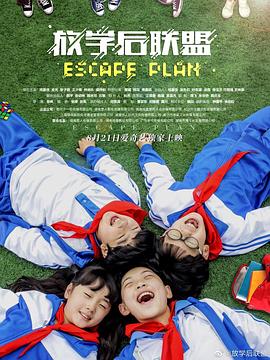
  陈涛涛是一名普通高中生,有着青春期里所有的烦恼,与家长不和、学习成绩不好、受青年班主任王老师的冷眼和大块头同学和不良少年的欺负、不能进入自己喜爱的足球队以及从来不敢正视自己暗恋的女神。陈涛涛期望着改变这一切。一天,虽然张小帆心情低落却依然帮助了一位神秘老人,又碰巧横眉冷对的王老师,陈涛涛在酒精的催化下,和王老师发生口角,都要求对方换位考虑问题。这时,正如他们所愿,两人灵魂产生了互换。变成王老师的陈涛涛虽得意一时但发现生活中的处处不便,于是陈涛涛和王老师达成一致定要想办法做回自己。在神秘老人的点拨下,通过二人的相互帮助、理解和共同努力,最终将灵魂换了回来。此时,陈涛涛和王老师在学业、爱情以及亲情中也分别得到不小的收获。

猜你喜欢
换一换
葛洛莉亚2013
151
5.0
HD
葛洛莉亚2013
5.0
更新时间:04月30日
主演:宝琳娜·加西亚,塞尔吉奥·埃尔南德斯,迭戈·方提西拉,法比奥拉·萨莫拉,寇卡·瓜兹尼,Hugo Moraga
简介:

  故事发生在智利首都圣地亚哥。葛洛莉亚(宝琳娜·加西亚 Paulina Garcia 饰),58岁,总是戴着一副大框近视镜,离婚10年。然而这些单调而沉闷的标签并没有阻止她对幸福生活的向往和追求。葛洛莉亚热衷于参加各种单身聚会来寻求短暂的满足感,即使每每派对结束,葛洛莉亚仍要独自一人承受更大的寂寞与空虚。直到葛洛莉亚偶然间在一次派对上结识了温文尔雅的退役海军军官鲁道夫(塞吉奥·赫尔南德兹 Sergio Hernández 饰),久违的爱欲之火在浪漫的邂逅中熊熊燃烧。二人参加迷彩射击游戏、玩蹦极当然还有甜蜜的肌肤相亲。鲁道夫一瞬间唤醒了葛洛莉亚的所有激情与欲望,她开始憧憬和鲁道夫的未来,甚至与之携手终生。然而在与鲁道夫的亲密相处中,葛洛莉亚的担忧却日益加深。终于,在一次生日宴会上,鲁道夫再次不告而别。此时的葛洛莉亚下定决心告别这段关系。
  女主角宝琳娜·加西亚凭借此片荣获2013年第63届柏林国际电影节银熊奖-最佳女演员。

1365
2013
葛洛莉亚2013
主演:宝琳娜·加西亚,塞尔吉奥·埃尔南德斯,迭戈·方提西拉,法比奥拉·萨莫拉,寇卡·瓜兹尼,Hugo Moraga
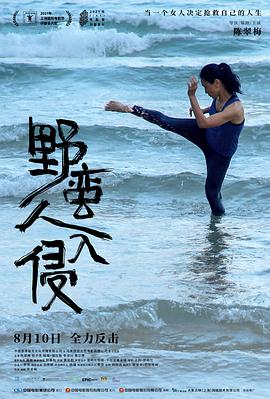
野蛮人入侵
365
4.0
HD
野蛮人入侵
4.0
更新时间:04月30日
主演:陈翠梅,张子夫,博朗·帕拉雷,李添兴,尼克·哈迪夫·达尼,黄之豫,曼诺·曼尼安,Wai Hoong Wong,Aaron Chung,Clarence Chua,Cassandra J. Poyong,Jing Xuan Chua,Ermeyna Feerowzaa,Hasliza Binti Hashim,Doris Par
简介:

  电影一开始,导演胡子杰(张子夫 饰)给女演员李圆满(陈翠梅 饰)讲了一个故事。
  “宫本武藏到了很老的时候,有一个年轻人来挑战他。他们约好第二天中午在山上决斗。但是宫本武藏一直到太阳到了西边才出现。年轻人非常生气,宫本武藏背对著阳光,在决斗的关键时刻,故意让年轻人对著刺眼的阳光,一瞬间把他杀了。”
  “这不是胜之不武吗?”
  “对那个年轻人来说,剑就是一切。对年老的宫本武藏来说,一切都是剑。阳光是剑,时间也是剑。”
  圆满看着子杰,“所以?”
  “以前,电影就是一切。到了现在,一切都是电影。如果我们置身事外,在自己的生命里做一个冷静的旁观者,生活就是一场电影。”
  “你不会是找我来拍洪尚秀电影吧?”
  子杰笑着摇头,“我要拍一部动作片。”

3564
2021
野蛮人入侵
主演:陈翠梅,张子夫,博朗·帕拉雷,李添兴,尼克·哈迪夫·达尼,黄之豫,曼诺·曼尼安,Wai Hoong Wong,Aaron Chung,Clarence Chua,Cassandra J. Poyong,Jing Xuan Chua,Ermeyna Feerowzaa,Hasliza Binti Hashim,Doris Par
欧洲的某个地方
380
8.0
HD中字
欧洲的某个地方
8.0
更新时间:04月30日
主演:Artúr Somlay,Miklós Gábor,Zsuzsa Bánki
简介:

  Somewhere in the remote region, the war ends. In the midst of ruined cities and houses in the streets, in rural hamlets, everywhere where people still live, are children who have lost their homes and parents. Abandoned, hungry, and in rags, defenseless and humiliated, they wander through the world. Hunger drives them. Little streams of orphans merge into a river which rushes forward and submerges everything in its path. The children do not know any feeling; they know only the world of their enemies. They fight, steal, struggle for a mouthful of food, and violence is merely a means to get it. A gang led by Cahoun finds a refuge in an abandoned castle and encounters an old composer who has voluntarily retired into solitude from a world of hatred, treason, and crime. How can they find a common ground, how can they become mutual friends? The castle becomes their hiding place but possibly it will also be their first home which they may organize and must defend. But even for this, the price will be very high.
  To this simple story, the journalist, writer, poet, scriptwriter, movie director, and film theoretician Béla Balázs applied many years of experience. He and the director Géza Radványi created a work which opened a new postwar chapter in Hungarian film. Surprisingly, this film has not lost any of its impact over the years, especially on a profound philosophical level. That is to say, it is not merely a movie about war; it is not important in what location and in what period of time it takes place. It is a story outside of time about the joyless fate of children who pay dearly for the cruel war games of adults.
  At the time it was premiered, the movie was enthusiastically received by the critics. The main roles were taken by streetwise boys of a children's group who created their roles improvisationally in close contact with a few professional actors, and in the children's acting their own fresh experience of war's turmoil appears to be reflected. At the same time, their performance fits admirably into the mosaic of a very complex movie language. Balázs's influence revealed itself, above all, in the introductory sequences: an air raid on an amusement park, seen in a montage of dramatic situations evoking the last spasms of war, where, undoubtedly, we discern the influence of classical Soviet cinematography. Shooting, the boy's escape, the locomotive's wheels, the shadows of soldiers with submachine guns, the sound of a whistle—the images are linked together in abrupt sequences in which varying shots and expressive sharp sounds are emphasized. A perfectly planned screenplay avoided all elements of sentimentality, time-worn stereotypes of wronged children, romanticism and cheap simplification. The authors succeeded in bridging the perilous dramatic abyss of the metamorphosis of a children's community. Their telling of the story (the scene of pillaging, the assault on the castle, etc) independently introduced some neorealist elements which, at that time, were being propagated in Italy by De Sica, Rossellini, and other film artists. The rebukes of contemporary critics, who called attention to "formalism for its own sake" have been forgotten. The masterly art of cameraman Barnabás Hegyi gives vitality to the poetic images. His angle shots of the children, his composition of scenes in the castle interior, are a living document of the times, and underline the atmosphere and the characters of the protagonists. The success of the picture was also enhanced by the musical art of composer Dénes Buday who, in tense situations, inserted the theme of the Marseilaise into the movie's structure, as a motive of community unification, as an expression of friendship and the possibility of understanding.
  Valahol Europaban is the first significant postwar Hungarian film. It originated in a relaxed atmosphere, replete with joy and euphoria, and it includes these elements in order to demonstrate the strength of humanism, tolerance, and friendship. It represents a general condemnation of war anywhere in the world, in any form.

488
1948
欧洲的某个地方
主演:Artúr Somlay,Miklós Gábor,Zsuzsa Bánki
评论区
首页
电影
连续剧
综艺
动漫
资讯